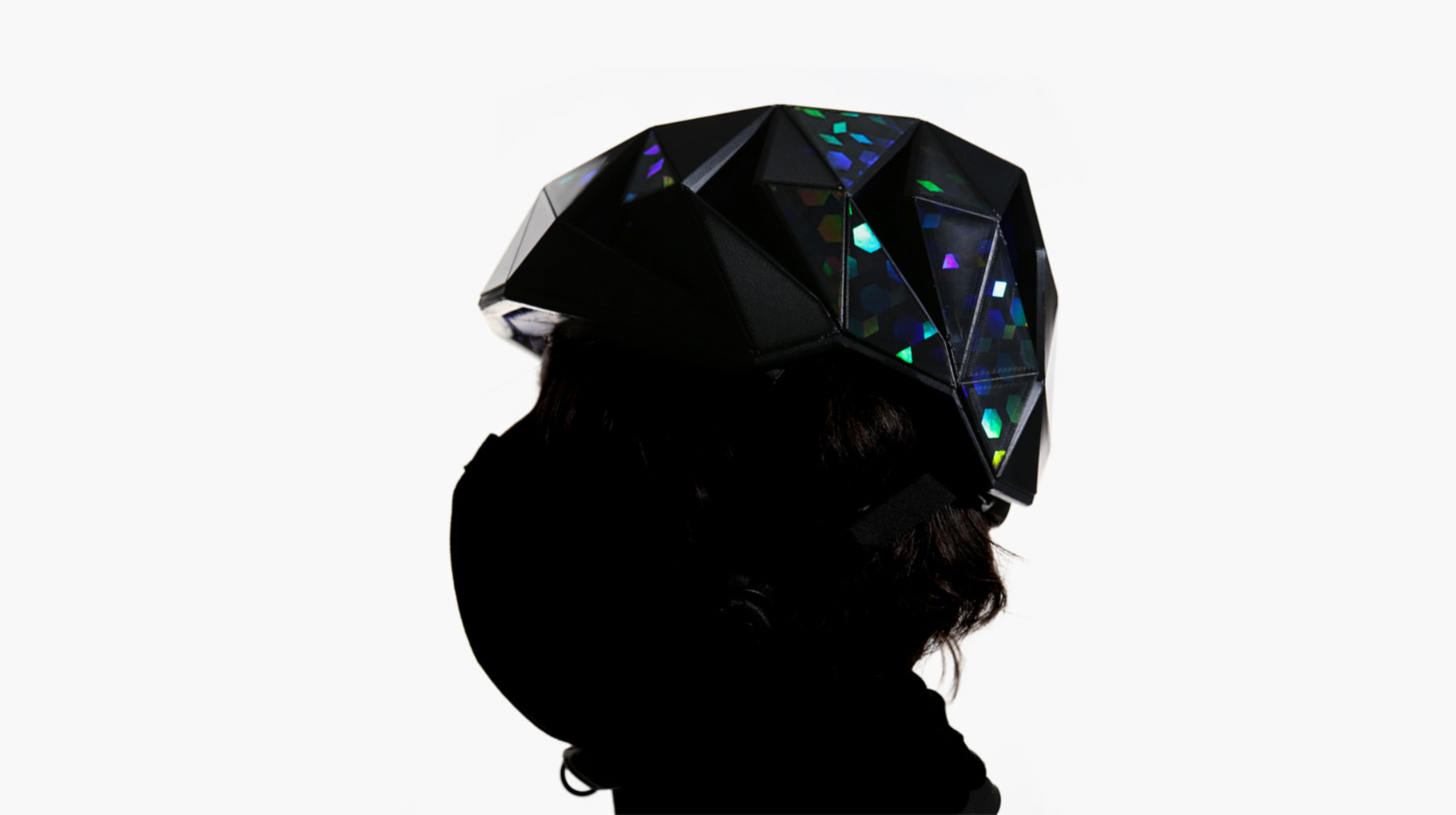
Visibility and protective gear are the most critical factors for traffic and urban cycling safety. Many accidents occur due to poor visibility. This project addresses safety by focusing on visibility, implemented through a 3D-printable helmet design.

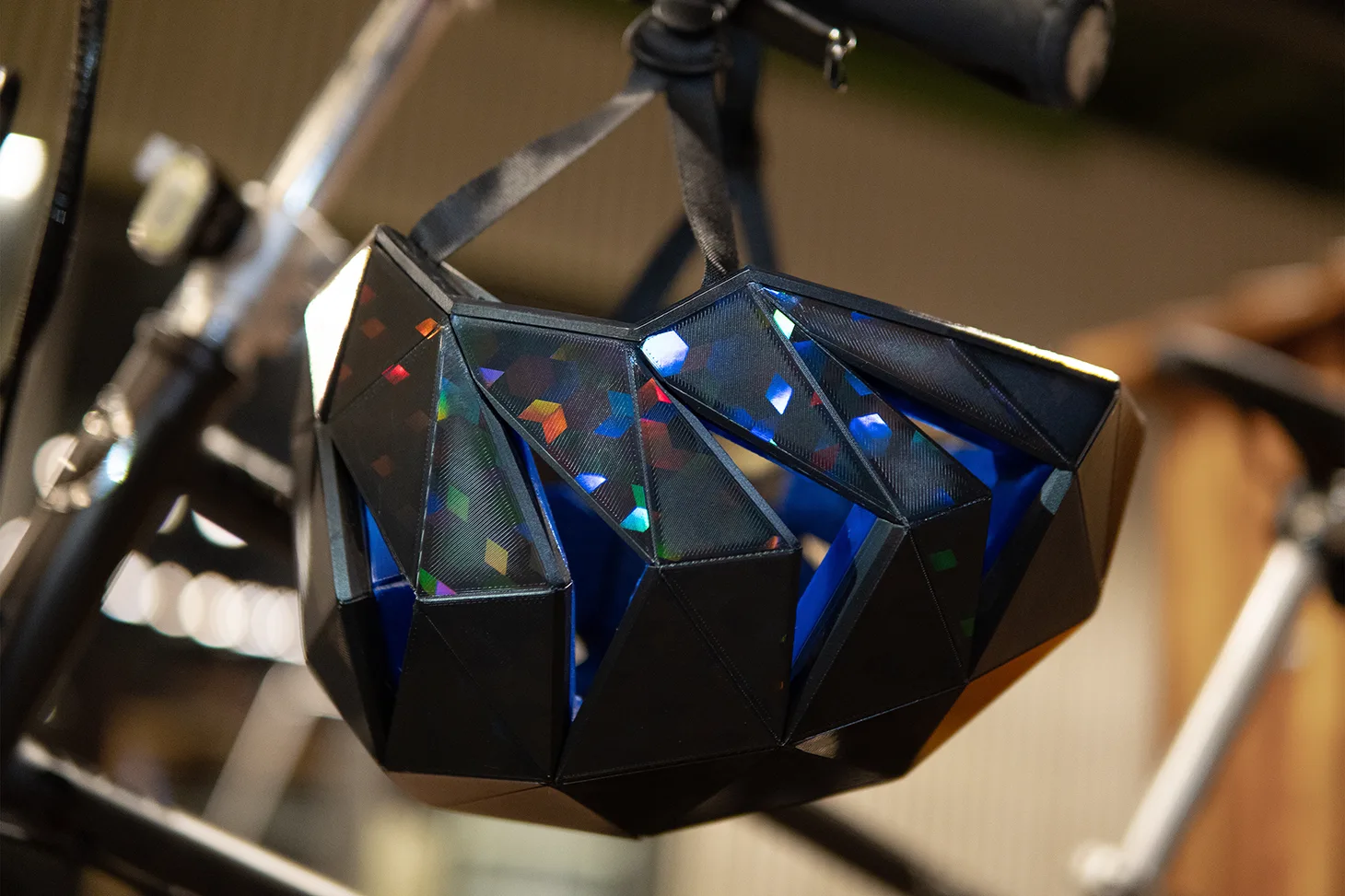
Prismatic surfaces feature microscopic pyramid-shaped grooves. When light strikes these surfaces, it refracts and disperses into different colors. These surfaces and their effects can be replicated using FDM printing. As the hot, molten filament is deposited onto a prismatic print plate, it conforms to the grooves, achieving the desired effect without requiring additional materials.
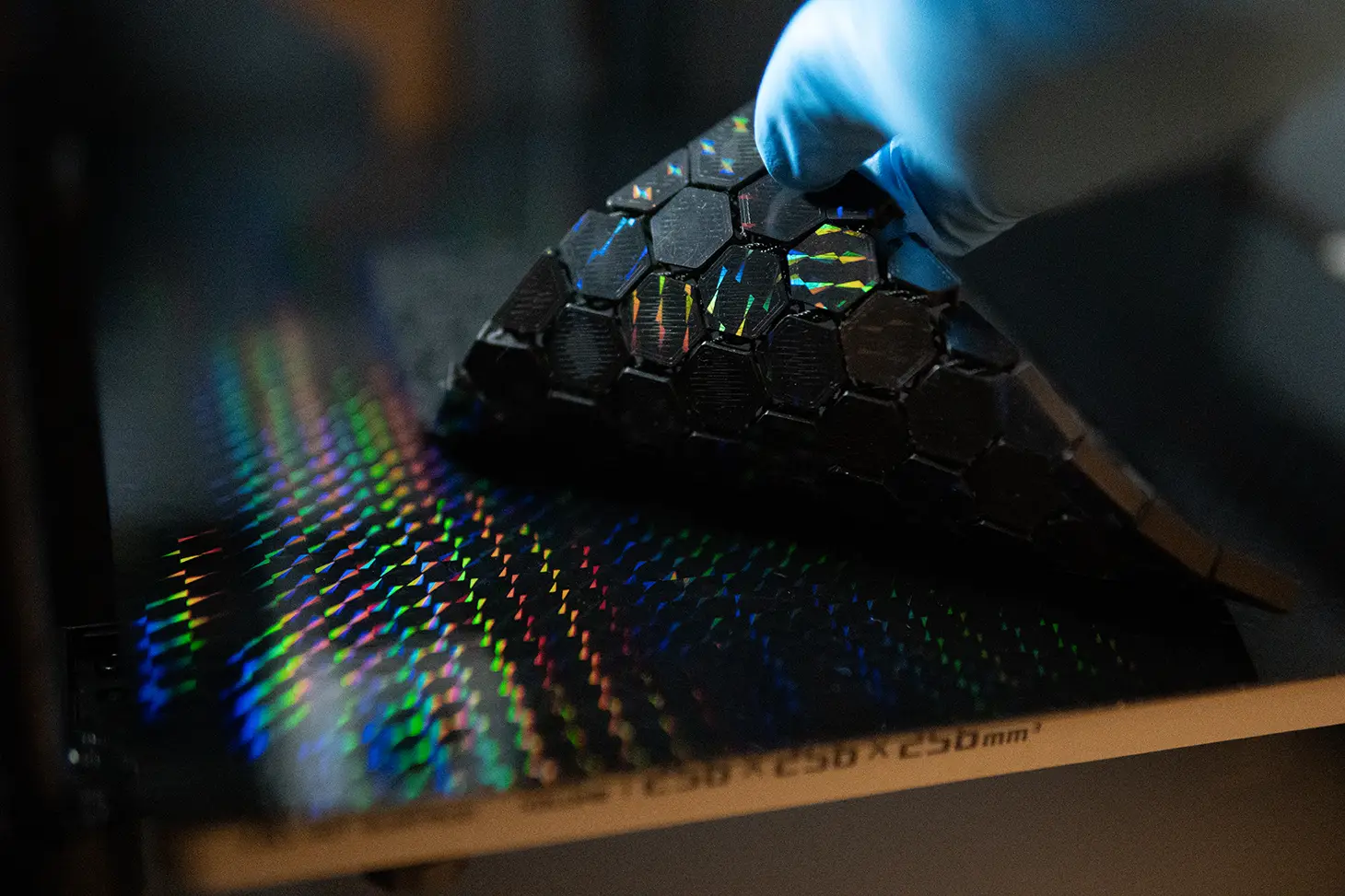
While in motion, the helmet reflects light in various colors & patterns, depending on the angle of the light source. This creates a highly visible and eye-catching effect.
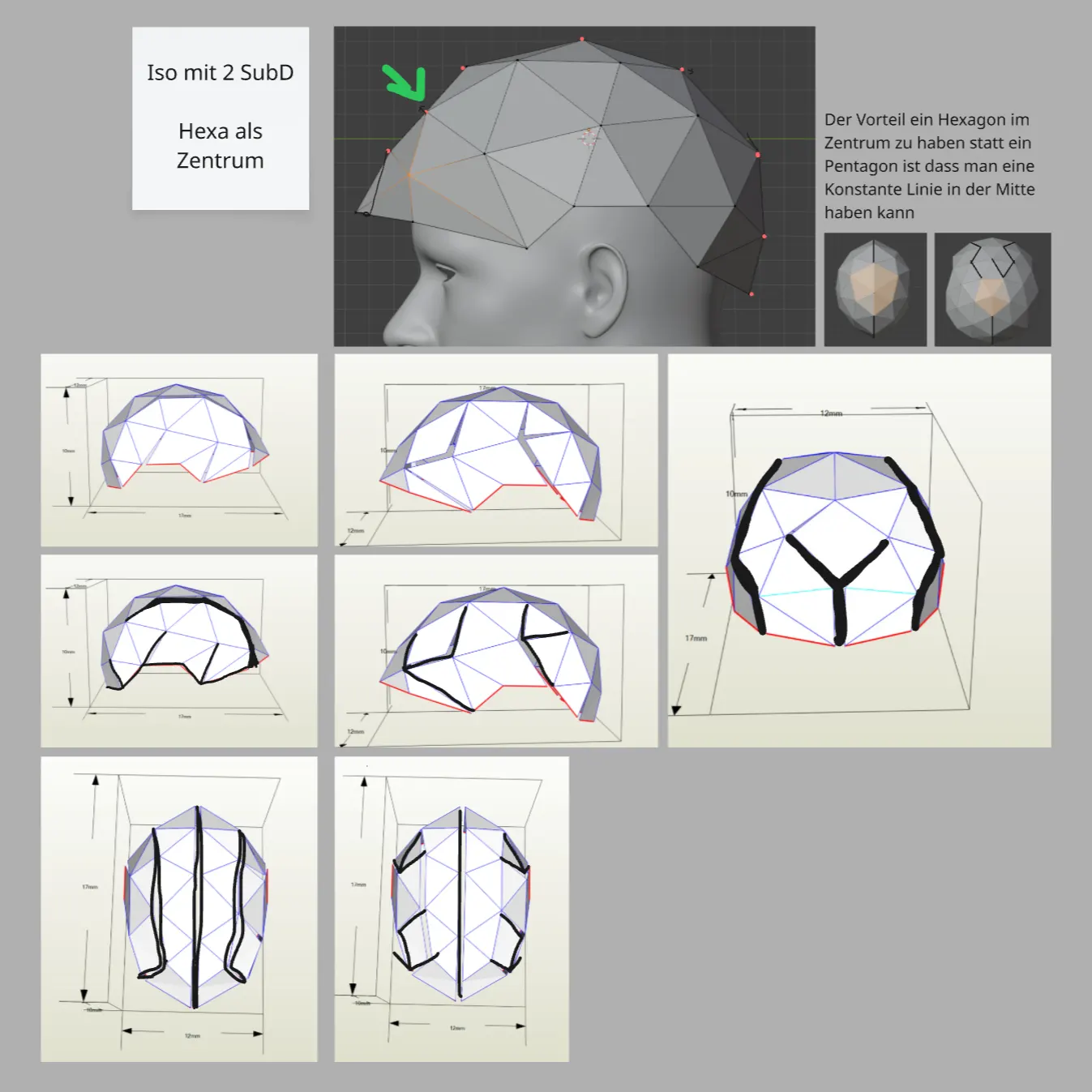
Since only the first layer inherits the prismatic effect from the printing bed, the challenge was to develop a flat form that could be wrapped and folded into the final helmet shape.
To maintain the folded shape, a frame clicks into the bottom to secure it.
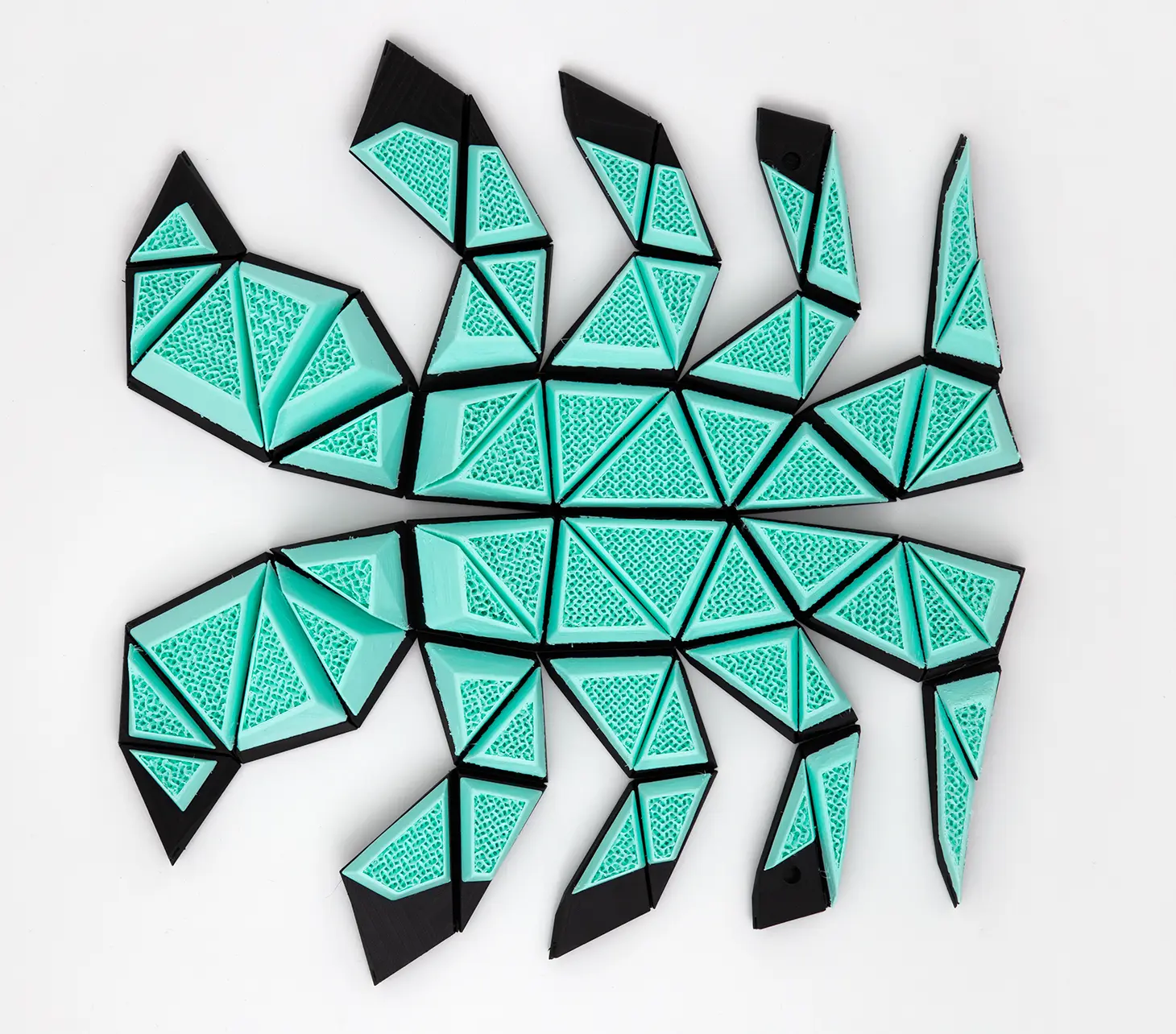
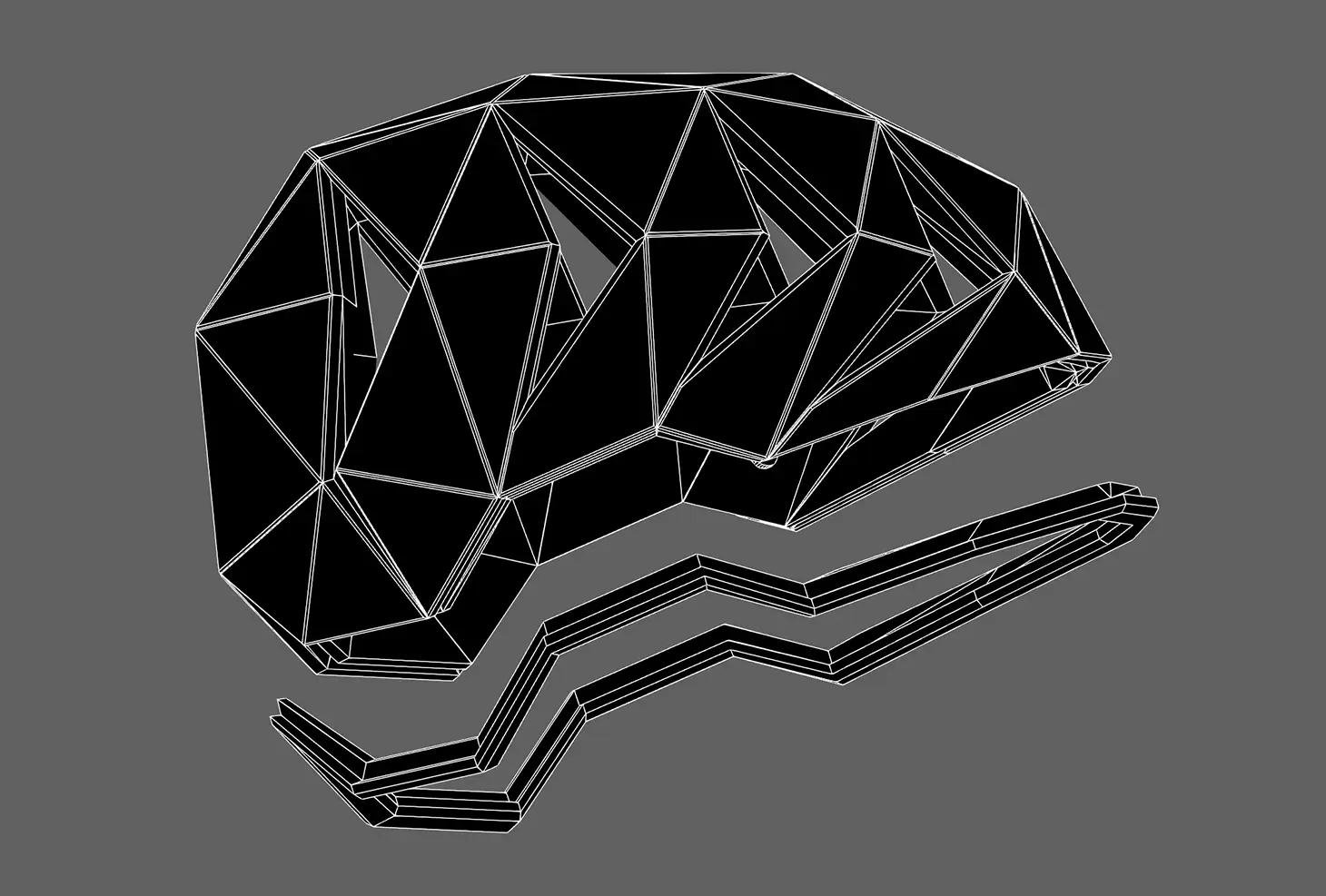
The hard case is made of PETG for impact distribution, while the inner part uses TPU with a gyroid infill for cushioning.
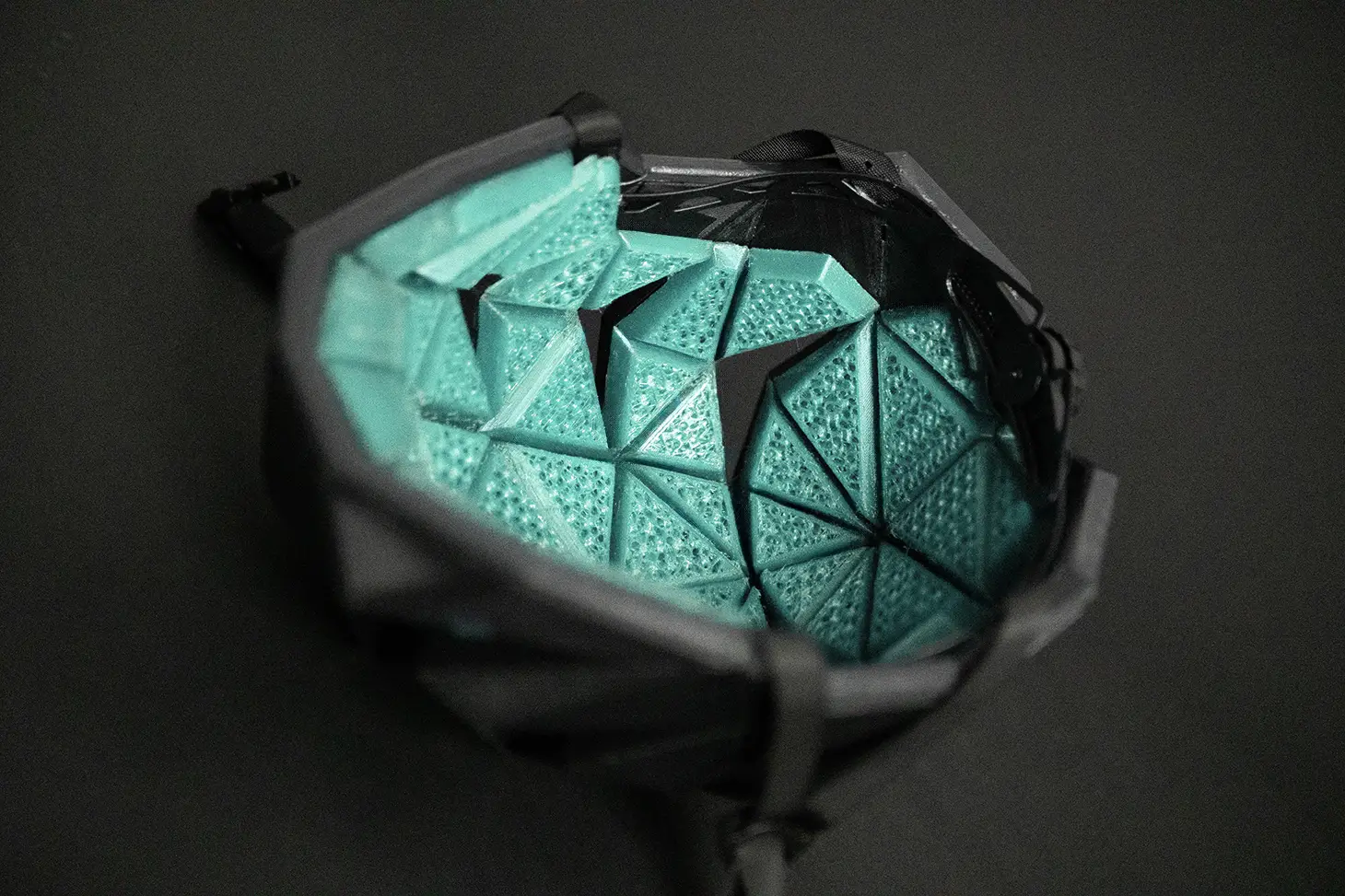

Using a dual-head printer with two different materials - each with distinct properties - allowed us to build the helmet in one piece, eliminating the need for glue or screws.
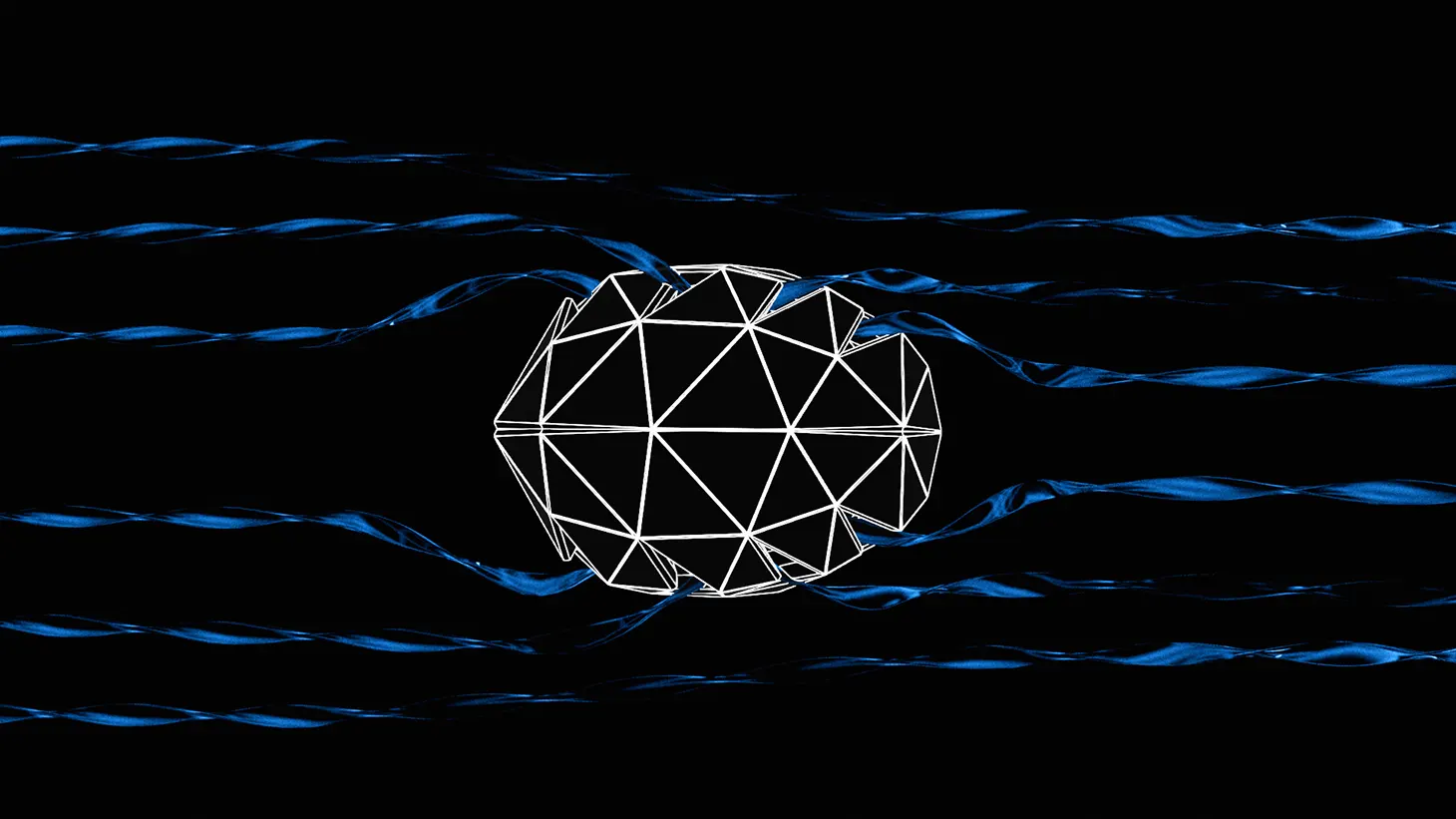
The faceted shape was designed to open up in defined areas, allowing air to pass through the helmet for ventilation while also giving it its distinct & interesting appearance.
This project was developed together with Julian Yasin Buchgraber as an Applied Research Project during his internship.